
Tear trough filler problems are the most common concern we see in our complication clinics. Patients often come to us with puffiness, persistent swelling or an uneven appearance beneath the eyes, sometimes years after treatment. Others have already had filler dissolved but still feel that something is wrong.
If this sounds familiar, a complication consultation is the place to start. Dr MJ will listen to what has happened and assess what may be contributing to the problem before recommending further treatment. You can refer yourself or be referred by your practitioner, wherever your original treatment took place.

The tear trough is the hollow between the lower eyelid and the upper cheek, most noticeable towards the inner corner of the eye. Filler can soften this hollow in suitable patients, but the skin is thin and the anatomy is unforgiving. Small changes in volume or filler placement can be visible.
Hyaluronic acid filler holds water. In this area, its volume, position and interaction with fluid drainage can contribute to persistent puffiness. Adding filler to someone who already has under-eye bags, swelling or loose skin may make those features more noticeable. Filler cannot correct every cause of a tired-looking under-eye area.
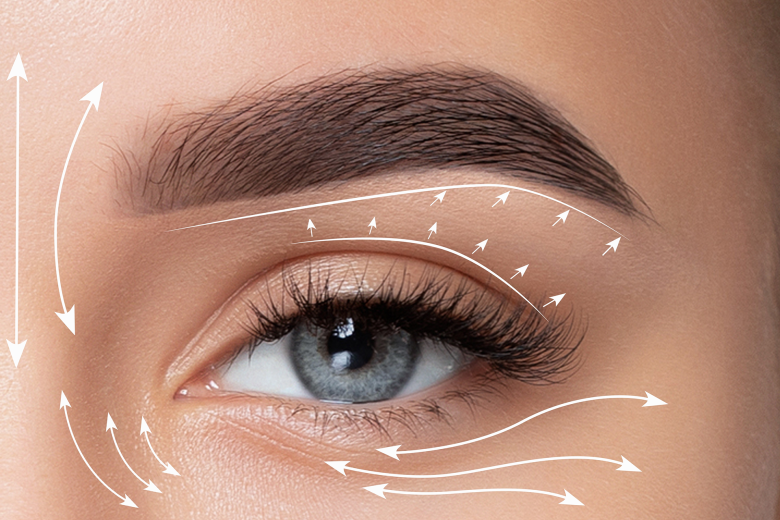
The area beneath the eyes may look swollen, or fluid may collect over the upper cheeks. This is often described as malar oedema. The swelling can fluctuate, and may affect one side more than the other. Filler can contribute, but pre-existing anatomy, inflammation and other causes must also be considered.
Filler deposits may create a ridge, bulge or visible lump, particularly when the product is too superficial or the volume is excessive. Some irregularities become more noticeable when you smile. Filler can also be found outside the intended treatment area.
Superficial filler can produce a blue-grey colour, often called the Tyndall effect. Puffiness and irregular contours can also cast shadows, leaving the area looking more tired even though the original hollow has been filled.

Dr MJ considers the lower eyelids and cheeks together, alongside your treatment history and any previous dissolving. Ultrasound can help locate identifiable filler and show its depth and distribution.
It cannot, by itself, prove that filler is blocking lymphatic drainage or explain every symptom. Finding filler is one part of the assessment.
Book A Consultation
Hyaluronic acid filler can be broken down with hyaluronidase, an injectable enzyme. Dissolving cosmetic filler is an established but off-label use in the UK: it falls outside the indications in the medicine licence and requires assessment and informed consent. Other filler materials cannot be dissolved with this enzyme.
Where appropriate, Dr MJ uses ultrasound guidance to target identifiable deposits. The scan is a diagnostic tool; the hyaluronidase injection is the treatment. Ultrasound guidance can help direct treatment, but it does not guarantee complete removal or a particular cosmetic result.
Dissolving can reduce unwanted filler volume, soften ridges or lumps and improve swelling when filler is contributing to it. It may also improve a blue-grey appearance caused by superficial filler. Treatment can be staged, with reassessment before deciding whether more is needed. Some patients need more than one session.
NOTE FOR AMANDA'S IMAGE POPULTAION:
CAN WE INSERT A PICTURE OF ME DISSOLVING – ALISHIA HAS THESE. THERE’S ALSO A CLARIUS WEBINAR ON THIS.
Yes. Dissolving may improve the complication while leaving you less happy with the appearance of your under-eyes. We should discuss that possibility before treatment.
Many patients have lived with tear trough problems for years. If you are 35 and have had puffy under-eyes from filler for five years, that is a seventh of your life. During that time, both the filler and the longstanding complication may have affected the surrounding tissue. Removing the filler does not necessarily reverse those changes, and some swelling or contour changes may persist.
Your face has also aged during those years. Changes in skin, tissue volume and the lower eyelids can develop while the filler is still present. Dissolving cannot reverse that ageing or guarantee a return to the face you had before treatment.
Some of the filler may be causing a problem while other deposits are still improving the appearance by providing volume and support. As an example, imagine that 10% of the filler is causing trouble and the other 90% is helping the area look better. Removing all of it would mean losing the helpful volume as well. Puffiness might improve, but hollowing, bags, loose skin, or creasing that’s lying beneath the filler could become more noticeable.
Dr MJ takes a pragmatic approach. Not everything needs to be dissolved. Her experience of treating thousands of complications, including seeing what happens after dissolving, informs the advice she gives. Sometimes she recommends leaving filler alone because removing it could make you look worse or make the problem harder to manage.
That recommendation requires a consultation and an examination. Ultrasound may help, but it is not necessary in every case. If you start with an online consultation, an in-person examination may be needed before deciding whether to dissolve, target particular deposits, treat in stages or leave the filler in place.
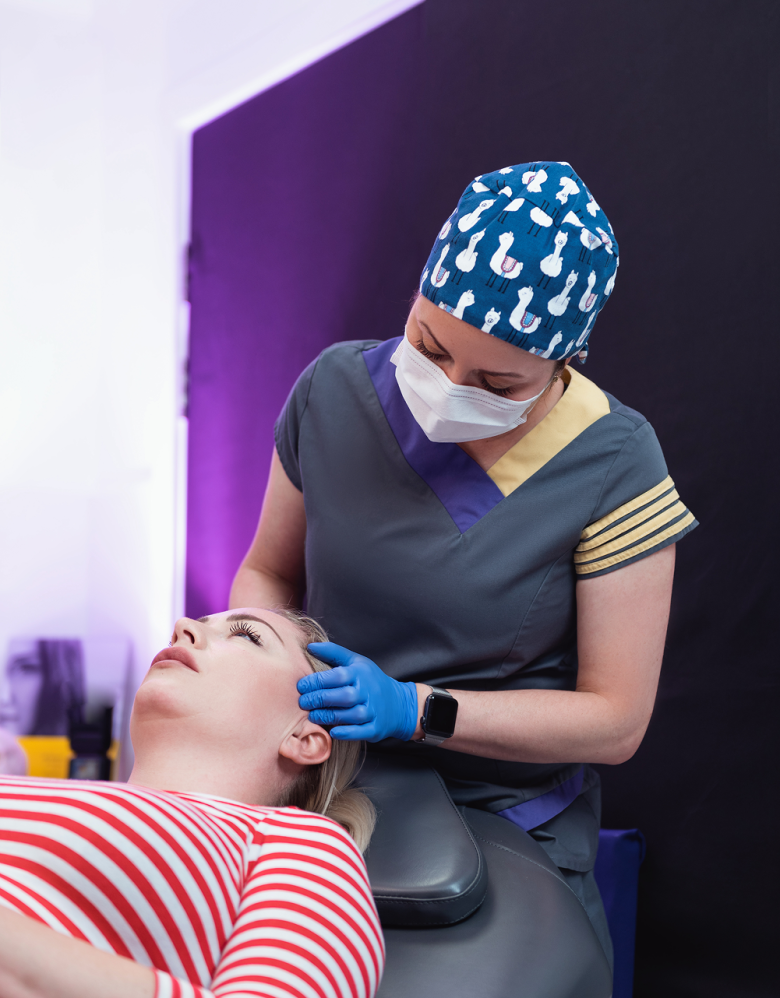
Dr MJ has spent years assessing and treating thousands of aesthetic complications and teaches facial ultrasound and complication management internationally. Our clinic welcomes patients without judgement and accepts both self-referrals and practitioner referrals.
If you live far from Liverpool, start with an online complication consultation to discuss your concerns before travelling for examination, ultrasound or treatment.
Unsure what to book? Call 0151 236 5166 or email reception@drmj.com. Follow @drmjclinic
Our team has helped many patients like you and will guide you towards the most appropriate appointment.
Book a complication consultation